
Scott Health & Safety’s 4.5 SCBA‚ operating at 4500 psig‚ is clearly identified by a large yellow label on the pressure reducer‚ displaying “SCOTT” vertically.
Overview of the Scott 4.5 Self-Contained Breathing Apparatus
The Scott 4.5 SCBA represents a critical advancement in respiratory protection‚ designed for firefighters‚ industrial rescue teams‚ and hazardous materials responders. This model operates efficiently at a sustained 4500 psig pressure‚ ensuring a reliable air supply in immediately dangerous to life or health (IDLH) environments.
Key to its functionality is straightforward identification; each unit features a prominent yellow label affixed to the pressure reducer. This label boldly displays the word “SCOTT” in black‚ vertically oriented‚ alongside the model number. This clear marking facilitates quick verification of the equipment and ensures users are utilizing the correct apparatus for their specific needs. Proper identification is paramount for safety and operational effectiveness.
Importance of the SCBA Manual (PDF)
The Scott 4.5 SCBA manual (PDF) is an absolutely essential resource for all users‚ technicians‚ and safety personnel. It provides comprehensive guidance on the safe and effective operation‚ maintenance‚ and repair of this life-critical equipment. Understanding the manual’s contents is not merely recommended – it’s a fundamental requirement for responsible SCBA usage.
The manual details critical procedures‚ from pre-use inspections and donning/doffing protocols to emergency procedures like rapid escape. It also outlines proper maintenance schedules‚ including hydrostatic testing requirements for cylinders. Ignoring the manual’s instructions can lead to equipment malfunction‚ potentially jeopardizing user safety and operational success. Accessing and regularly reviewing the PDF is a proactive step towards ensuring a safe working environment.

Components of the Scott 4.5 SCBA
Key components include the cylinder assembly‚ backpack & harness‚ and a pressure reducer/regulator‚ all detailed within the comprehensive Scott 4.5 SCBA manual.
Cylinder and Valve Assembly
The Scott 4.5 SCBA’s cylinder and valve assembly are critical for storing and delivering breathable air. The manual emphasizes the importance of understanding the 4500 psig operating pressure. Regularly inspect the cylinder for damage‚ dents‚ or corrosion‚ as detailed in the manual’s inspection guidelines.
The valve assembly controls airflow from the cylinder; the manual provides specific instructions on its function and maintenance. Proper cylinder handling‚ including secure fastening and protection during transport‚ is paramount. The manual outlines procedures for safely opening and closing the cylinder valve. Always refer to the manual for approved cylinder types and hydrostatic testing schedules to ensure continued safe operation of this vital SCBA component.
Backpack and Harness System
The Scott 4.5 SCBA’s backpack and harness system are designed for comfortable and secure load distribution. The manual details proper adjustment procedures to ensure a snug‚ yet unrestricted‚ fit for various body sizes. Inspect the straps‚ buckles‚ and frame for wear and tear before each use‚ referencing the manual’s inspection checklist.
Correct harness adjustment is crucial for maintaining balance and preventing injury during operation. The manual illustrates the proper donning and doffing techniques. Pay close attention to weight distribution and ensure the cylinder is securely positioned. Regularly clean the harness according to the manual’s guidelines to maintain hygiene and prolong its lifespan‚ contributing to overall user safety and comfort.
Pressure Reducer and Regulator
The Scott 4.5 SCBA’s pressure reducer and regulator are vital components‚ converting high-pressure cylinder air to a breathable‚ consistent flow. The manual emphasizes the importance of verifying the regulator’s functionality during pre-use inspections. Specifically‚ check for smooth operation and proper pressure readings‚ as detailed in the checklist.
Understanding the regulator’s adjustment features‚ outlined in the manual‚ allows users to customize airflow based on exertion levels. Regularly inspect the reducer for damage and ensure all connections are secure. The manual provides troubleshooting guidance for common regulator issues. Proper maintenance‚ as described‚ ensures reliable performance and user safety during critical operations.

Operating Procedures
The SCBA manual details donning‚ doffing‚ pre-use checks‚ and emergency rapid escape procedures for the Scott 4.5‚ ensuring safe and effective operation.
Donning and Doffing the SCBA
The Scott 4.5 SCBA manual (PDF) provides crucial‚ step-by-step instructions for both donning and doffing the apparatus. Proper donning sequence is paramount‚ beginning with a thorough inspection of the harness and ensuring a secure fit. The manual emphasizes checking all connections before cylinder activation.
Doffing procedures are equally critical‚ outlining a controlled sequence to prevent accidental activation or release of residual pressure. Users are instructed to follow a specific order for disconnecting components and purging the system. The manual stresses the importance of a designated clean area for doffing to avoid contamination and facilitate post-use inspection. Following these guidelines minimizes risk and ensures user safety.

Pre-Use Inspection Checklist
The Scott 4.5 SCBA manual (PDF) details a comprehensive pre-use inspection checklist vital for operational readiness. This checklist begins with verifying the cylinder pressure and confirming the regulator functions correctly. Users must inspect the harness for damage – straps‚ buckles‚ and connections – ensuring a secure and comfortable fit.
Further checks include examining the facepiece for proper seal and lens clarity‚ and testing the PASS device functionality. The manual stresses a thorough visual inspection of all hoses and connections for leaks or wear. Adherence to this checklist‚ as outlined in the manual‚ is non-negotiable‚ guaranteeing the SCBA’s reliability and the user’s safety during emergency operations.
Emergency Procedures – Rapid Escape
The Scott 4.5 SCBA manual (PDF) dedicates a critical section to rapid escape procedures‚ emphasizing immediate action in hazardous situations. It instructs users to activate the emergency bypass valve‚ providing a direct air supply‚ bypassing the regulator in cases of malfunction.
The manual details a swift doffing procedure‚ prioritizing speed while maintaining facepiece seal as long as possible. It stresses the importance of communicating the emergency to team members and initiating a controlled‚ rapid exit from the IDLH atmosphere. Practicing these procedures‚ as detailed within the manual‚ is crucial for survival‚ ensuring a prepared response to unforeseen circumstances and maximizing user safety.

Maintenance and Care
The Scott 4.5 SCBA manual (PDF) outlines detailed maintenance schedules‚ including routine inspections‚ cleaning protocols‚ and crucial hydrostatic testing requirements for cylinders.
Routine Inspection and Cleaning
The Scott 4.5 SCBA manual (PDF) emphasizes the critical nature of routine inspections before and after each use. These inspections‚ detailed within the manual‚ cover all components – from the cylinder valve assembly and backpack harness to the pressure reducer and regulator.

Cleaning procedures are also thoroughly described‚ focusing on removing contaminants that could compromise the SCBA’s functionality or the user’s safety. The manual specifies appropriate cleaning agents and methods‚ advising against harsh chemicals that might damage the equipment. Regular cleaning extends the SCBA’s lifespan and ensures optimal performance during emergency situations. Following the manual’s guidance is paramount for maintaining a reliable and safe breathing apparatus.

Hydrostatic Testing and Cylinder Maintenance
The Scott 4.5 SCBA manual (PDF) dedicates significant attention to cylinder maintenance‚ highlighting the mandatory requirement of hydrostatic testing. This testing‚ performed by qualified personnel‚ verifies the cylinder’s structural integrity and ensures it can safely contain compressed air at 4500 psig.
The manual outlines the frequency of hydrostatic testing‚ typically every five years‚ and details proper cylinder handling procedures. It stresses the importance of visual inspections for dents‚ corrosion‚ or other damage. Additionally‚ the manual provides guidance on valve maintenance‚ including leak checks and proper storage to prevent contamination. Adhering to these guidelines‚ as outlined in the PDF‚ is crucial for cylinder safety and longevity.
Repair Procedures and Qualified Personnel
The Scott 4.5 SCBA manual (PDF) emphatically states that repairs must only be performed by individuals specifically trained and certified by Scott Safety. Attempting unauthorized repairs can compromise the SCBA’s life-support capabilities and void any warranties.
The manual details a tiered repair system‚ differentiating between field-replaceable parts and components requiring factory servicing. It provides detailed instructions for qualified technicians‚ including specific torque specifications and component diagrams. The PDF stresses the importance of using only genuine Scott replacement parts to maintain performance and safety standards. It also outlines procedures for documenting all repairs and inspections for traceability and accountability.

Understanding the Scott 4.5 SCBA Manual (PDF)
The Scott 4.5 SCBA manual (PDF) is crucial for safe operation‚ detailing procedures‚ maintenance‚ and troubleshooting for this 4500 psig breathing apparatus.
Locating and Downloading the Manual
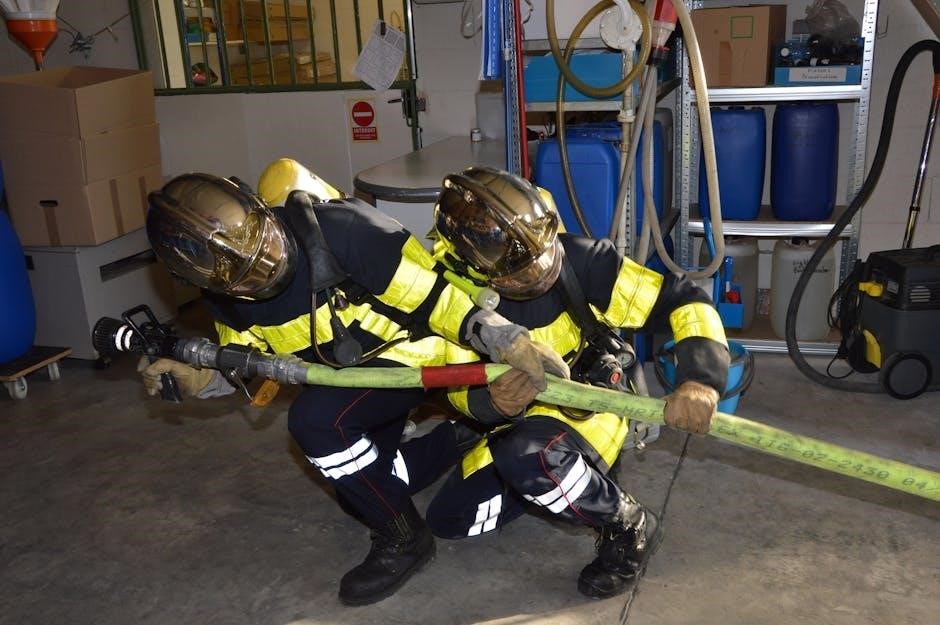
Accessing the Scott 4.5 SCBA manual in PDF format is a vital first step for any user or maintenance personnel. While a direct link wasn’t provided‚ typically manufacturers like Scott Health & Safety host these documents on their official website. Navigate to the “Support” or “Resources” section of scotthealthsafety.com.
Search specifically for “Scott 4.5 SCBA manual” or utilize the model number for a precise result. Alternatively‚ authorized Scott distributors often provide access to documentation. Ensure the downloaded manual corresponds to your specific SCBA model‚ as revisions occur. Always verify the document’s authenticity and completeness before relying on its contents for operation or maintenance procedures. A current manual is essential for safe and effective use.
Key Sections of the Manual – Safety Information
The Scott 4.5 SCBA manual’s safety information section is paramount‚ detailing critical warnings and precautions. Expect comprehensive guidance on proper SCBA use‚ limitations‚ and potential hazards. This includes instructions regarding atmospheric monitoring‚ IDLH environments‚ and recognizing signs of SCBA malfunction.
Pay close attention to donning/doffing procedures‚ emergency escape protocols‚ and the importance of regular inspection. The manual will outline permissible operating pressures (4500 psig for this model) and the consequences of exceeding them. Understanding these safety guidelines is non-negotiable for protecting the wearer and ensuring effective respiratory protection during hazardous operations. Thorough review is crucial.
Troubleshooting Common Issues using the Manual
The Scott 4.5 SCBA manual provides a dedicated troubleshooting section to address frequently encountered problems. Users can find guidance on issues like regulator malfunctions‚ pressure gauge inaccuracies‚ or difficulties with the facepiece seal. The manual likely outlines step-by-step diagnostic procedures‚ helping identify the root cause of the problem.
It will detail whether the issue can be resolved in the field or requires professional repair. Remember‚ attempting repairs without proper training or authorization is dangerous. The manual emphasizes the importance of removing the SCBA from service if a critical fault is detected‚ ensuring user safety and preventing equipment failure during emergency situations.
Safety Considerations
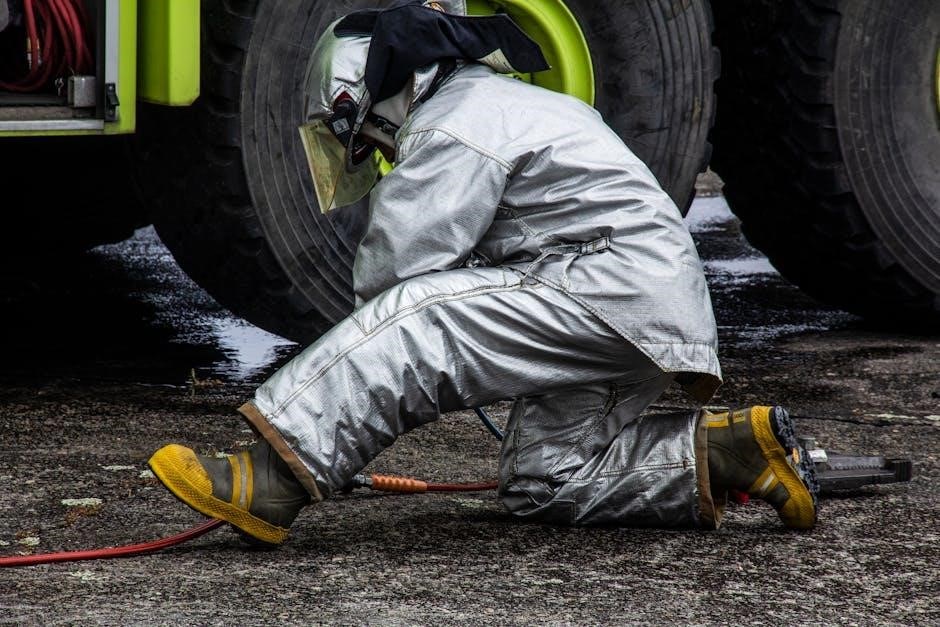
The SCBA manual stresses understanding limitations and proper storage‚ vital for maintaining operational readiness and ensuring the Scott 4.5’s reliability during use.
Limitations of the SCBA
The Scott 4.5 SCBA manual (PDF) meticulously details operational limitations crucial for user safety. It emphasizes that the SCBA provides breathable air within specific environmental conditions and doesn’t protect against all hazardous atmospheres.
Specifically‚ it won’t shield against chemical absorption through the skin‚ nor does it supply oxygen for environments deficient in oxygen – it only provides compressed breathable air. The manual highlights the importance of recognizing IDLH (Immediately Dangerous to Life or Health) atmospheres and understanding the SCBA’s service life.
Furthermore‚ it cautions against modifying the SCBA or using non-approved components‚ as this compromises its protective capabilities. Proper training and adherence to the manual’s guidelines are paramount to mitigating these limitations and ensuring effective respiratory protection.
Proper Storage and Transportation
The Scott 4.5 SCBA manual (PDF) provides detailed instructions for safe storage and transportation‚ vital for maintaining equipment integrity. It stresses storing the SCBA in a clean‚ dry‚ and well-ventilated area‚ away from extreme temperatures‚ direct sunlight‚ and corrosive substances.
During transport‚ the manual advises securing the SCBA to prevent shifting or damage‚ ideally in a dedicated vehicle compartment. Cylinders must be transported with protective valves in place. Regular inspection of straps‚ buckles‚ and securing mechanisms is crucial.
The manual also cautions against storing or transporting SCBAs with damaged components. Following these guidelines ensures the SCBA remains ready for immediate and reliable use when needed‚ preserving its life-saving capabilities.
Leave a Reply
You must be logged in to post a comment.