
Tie‑and‑dye PDF guides provide a digital gateway to classic and modern folding methods, letting users download step‑by‑step tutorials, visual aids, and dye‑concentration charts Storing locally enables free experimentation, comparison, and sharing across platforms․They also offer worksheets, charts
Historical Context and Modern Revival
Ancient China’s Bai people used tie‑dye as a marker, weaving designs into textiles for rites of passage․ The craft spread to Africa, India, and Europe, yet colonial trade suppressed it․ Post‑colonial revivals emerged, and in 2006 UNESCO listed tie‑dye as intangible cultural heritage, sparking renewed interest․
The 1960s counterculture re‑introduced tie‑dye to Western youth, turning it into a rebellion symbol․ Today, digital PDFs, online tutorials, and forums give worldwide access to folding instructions and dye recipes․ QR codes and AR let users scan patterns and watch animated folding steps․
Digital democratization has expanded tie‑dye beyond hobbyists to designers, educators, and artists, keeping the craft alive․ Fashion houses use tie‑dye motifs on runways; schools employ PDF lesson plans to teach color theory; museums display tie‑dye as contemporary art․ The craft also inspires digital art installations and community murals․
FTP sites like ftp․arcchurches․com host folding tutorials for offline use․ GitHub and Google Drive offer version control and collaborative editing․ Reddit and Discord share cross‑cultural tips, while workshops blend traditional techniques with modern aesthetics, supporting localized PDF bundles for regional dyeing traditions․ These resources also provide safety guidelines for dye handling, ensuring user safety․
Digital PDF guides enhance learning with color swatches and diagrams; QR codes and AR let users scan patterns and view animated folding steps; hyperlinks link to video demos․ The format supports accessibility, offers free downloads, and reduces physical waste for all ages․ Users can customize templates to fit their needs!!
Benefits of Digital PDF Resources
Digital PDFs bring tie‑and‑dye instruction to users’ devices, making the craft instantly accessible․ The lightweight format stores on phones, tablets, or laptops, letting enthusiasts practice folds while traveling or in a studio․ PDFs display consistent diagrams and color swatches across Windows, macOS, Linux, iOS, and Android, ensuring reliable guidance․ They also embed hyperlinks to video demos, enabling instant visual reference․ All files are free!!․․
Annotating PDFs lets users mark exact fold positions, add dye notes, and draw arrows for direction․ Cloud sync keeps annotations with the file, so a student can share a marked PDF with a teacher for feedback․ Instant sharing encourages community collaboration, letting hobbyists upload variations and receive constructive critique from peers worldwide․ Users can export annotated PDFs for sharing on social media today!!․
Digital PDFs cut environmental impact by eliminating printed manuals․ Rapid updates let users adopt new dye formulas instantly․ Hyperlinks to video demos, QR codes, and downloadable worksheets provide real‑time guidance․ Multimedia integration turns a static guide into an interactive platform, catering to visual, auditory, and kinesthetic learners alike․ Users can also annotate and share progress reports with instructors for feedback online!!․
Cost‑effectiveness of digital PDFs is clear․ Traditional tie‑and‑dye books carry high production fees; a single PDF can be produced once and shared freely or sold at a fraction of the price․ This democratizes access, fuels creativity, and drives the continued evolution of tie‑and‑dye as both craft and art form․ Users can remix designs and share online, fostering a community of color enthusiasts!!․

Core Tie Dye Techniques Covered in PDFs
PDF guides detail folding methods like scrunch, deep scrunch, fan, roll, geode, and fan fold, plus patterns such as spiral, shibori, reverse, and crumple․ Each PDF offers step‑by‑step diagrams, dye‑concentration charts, and worksheets for practice!< /p>
Folding Methods: Scrunch, Deep Scrunch, Fan, Roll, Geode, Fan Fold
Digital tie‑and‑dye PDFs present six foundational folding techniques that form the backbone of color‑blocking artistry․ The first, the classic scrunch, involves gathering a garment into a tight ball, then unfolding it to reveal concentric circles; The deep scrunch intensifies this effect by compressing the fabric more tightly, creating deeper, more dramatic bands․ The fan fold is achieved by rolling the garment into a fan shape, producing wide, sweeping arcs of color that resemble a hand‑held fan․ The roll fold, also known as the “roll‑and‑tie” method, rolls the fabric into a cylinder before tying it, resulting in evenly spaced, cylindrical bands․ The geode fold, inspired by crystal formations, involves folding the garment into a series of interlocking wedges, producing a faceted, jewel‑like pattern․ Finally, the fan fold (distinct from the simple fan) incorporates a series of overlapping folds that create a layered, textured effect when dyed․ Each PDF includes precise measurements, illustrative diagrams, and sample images that guide the user from initial preparation through dye application, ensuring consistent, repeatable results across projects․ By mastering these six folds, dyers can generate a wide spectrum of visual styles, from subtle, pastel swirls to bold, graphic statements, all while leveraging the convenience of digital resources for quick reference and creative experimentation․ The step‑by‑step instructions are written in plain language, making them accessible to beginners while still offering advanced tips for seasoned artists․ Users can print the pages, annotate them, or view them on tablets, allowing for flexible learning environments․ The PDFs also provide a printable checklist of tools and chemicals needed for each fold, reducing the chance of missing a critical step․ Additionally, many guides include a troubleshooting section that addresses common issues such as uneven dye distribution or fabric distortion․ The inclusion of high‑resolution images helps readers match their own results to the examples, fostering confidence in their technique․ Finally, the guides encourage experimentation by suggesting color combinations and variations for each fold, inspiring users to push the boundaries of traditional tie‑and‑dye․ They also include a troubleshooting guide for common dyeing mishaps․
Advanced Patterns: Spiral, Shibori, Reverse, Crumple
Digital tie‑and‑dye PDFs elevate the craft with four sophisticated techniques that push beyond basic folds․ The spiral pattern starts with a central point, then the garment is rolled in a tight helix, producing concentric rings that swirl outward․ PDF instructions detail the exact number of turns and the spacing needed to achieve a clean, radial effect․ The shibori method, rooted in Japanese resist dyeing, requires binding fabric with thread or rubber bands before dyeing․ PDFs illustrate multiple shibori styles—such as arashi (sprinkled) and kasuri (stitch resist)—and provide step‑by‑step diagrams for each․ The reverse technique inverts the typical dye application; instead of dyeing the exposed fabric, the user dyes the tied or folded sections, leaving the rest untouched․ PDFs explain how to choose the right dye concentration to prevent bleeding and how to secure the garment to maintain pattern integrity․ The crumple method involves crumpling the fabric into a ball, then flattening it to create a random, textured pattern․ PDF guides include a checklist of tools, recommended dye types, and safety precautions for each method․ They also feature high‑resolution before‑and‑after images that help users gauge progress․ By mastering these four advanced patterns, dyers can produce striking, complex designs that stand out in both casual and formal settings․ The PDFs encourage experimentation with color palettes, fabric types, and resist materials, fostering a deeper understanding of how dye interacts with different fibers․ They also provide troubleshooting tips for common issues such as uneven dye distribution, color fading, and fabric distortion, ensuring that users can refine their technique and achieve professional‑quality results․ Furthermore, the PDFs integrate QR codes that link to short video tutorials, allowing users to visualize each step in motion․ The resources also include a printable color chart that maps dye concentrations to final hues, enabling precise control over saturation․ Users can annotate the PDFs directly on tablets, marking sections they plan to revisit or noting variations they wish to try․ The guides emphasize sustainability by recommending natural dyes and eco‑friendly mordants, aligning with contemporary environmental concerns․ Finally, the PDFs invite community feedback, providing a comment section where dyers can share their own variations and ask questions, fostering a collaborative learning environment․ Each PDF also offers a downloadable worksheet that tracks dye batches, fabric weights, and drying times, helping users maintain consistency across multiple projects․ With these tools, both novices and seasoned artisans can explore the full spectrum of tie‑and‑dye possibilities, turning simple garments into wearable works of art․

Step-by-Step Tutorial Structure
Each PDF tutorial follows a clear, modular flow: preparation, folding, dyeing, and finishing․ The guide lists safety notes, dye ratios, and fabric prep steps, then walks the user through the chosen fold with step‑by‑step images․ Finally, it offers drying tips and optional color‑mixing ideas․ 🙂
Instructional Flow: From Preparation to Dye Application

Before you begin, gather a clean, pre‑washed cotton garment, tie‑dye kits, a bucket, a spray bottle, and a protected workspace․ The PDF guide starts with safety: gloves, eye protection, ventilation․ Next, fold the fabric using the chosen technique—scrunch, fan, or roll—ensuring tight, uniform folds․ It then shows how to apply dye bands perpendicular to the folds, using a 1:4 dye‑to‑water ratio․ Mix dye separately, let it saturate before contact․ Once ready, the guide provides a visual sequence: dip the folded garment, rotate to cover all sides, and soak for 30 minutes․ After soaking, rinse in cool water until clear, then place in a plastic bag to dry․ The final section offers optional touches: a secondary dye for contrast or a fixative spray․ Troubleshooting tips cover uneven dye, bleeding, and shrinkage․ The PDF also includes a color chart matching dye names to RGB values, allowing preview․ It explains adjusting dye concentration for lighter or darker shades․ The guide covers fabric types: cotton, linen, blends, noting synthetic fibers may not absorb dye well, and suggests treatment for stubborn fabrics․ For reverse folding, it shows folding in the opposite direction to create mirrored patterns․ It also shows using a heat press to set dye more firmly․ The PDF reminds readers to label each step and take photos for reference․ By following this flow, beginners can achieve consistent, vibrant results while dyers can push creative boundaries․ Enjoy the vibrant journey— and share․
Visual Aids and Example Outcomes
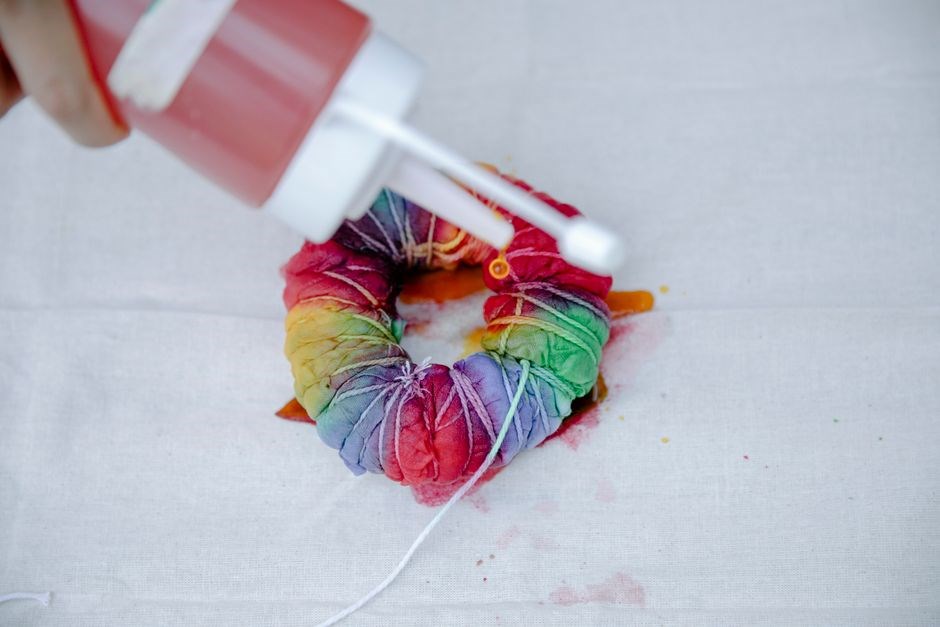
Visual aids are essential for mastering tie‑and‑dye techniques․ The PDF includes high‑resolution step‑by‑step illustrations that show each fold, band placement, and dye concentration․ Color‑coded arrows guide the eye through the process, while inset boxes explain common pitfalls and how to avoid them․ Photographs of finished garments—scrunched, fan, roll, and geode—display the range of results achievable with a single dye kit․ Each image is paired with a short caption that notes the dye brand, fabric type, and final wash cycle․ The guide also features a comparison chart that juxtaposes the same pattern applied with different dye concentrations, revealing subtle shifts from pastel to saturated hues․ For advanced users, a series of macro shots shows the texture of the dye on the fabric, illustrating how the dye penetrates the fibers and reacts with the fold lines․ Interactive elements, such as clickable thumbnails, allow readers to zoom in on details and view the same step from multiple angles․ The PDF further includes a gallery of user‑submitted projects, complete with the creator’s name, fabric choice, and a brief description of the inspiration behind the design․ This community showcase not only provides inspiration but also demonstrates real‑world application of the techniques described․ By studying these visual aids and example outcomes, readers can anticipate the final look, adjust their approach accordingly and confidently produce professional tie‑dye garments․

Materials and Equipment List
Essential materials: 100% cotton shirts, natural fiber fabrics, or polyester blends․ Dye types: indigo, reactive, acid, and pigment dyes․ Concentrations: 1:1, 1:2, 1:3 ratios for light to deep hues․ Equipment: plastic tubs, rubber gloves, plastic squeeze bottles, paper towels, and a timer․ 2026!
Dye Types and Concentrations
In tie‑and‑dye PDFs, dye selection is a core decision that shapes color depth, washability, and safety․ Indigo, the classic blue, requires a reduction bath and a 1:1 dye‑to‑water ratio for medium intensity; a 1:2 mix yields a lighter wash․ Reactive dyes bond chemically to cellulose, producing vibrant hues on cotton; a 1:1․5 ratio is standard, while a 1:2․5 ratio gives a pastel effect․ Acid dyes, ideal for polyester, are applied at 1:1․2 concentration, with a 60‑70 °C bath for optimal uptake․ Pigment dyes sit on the fiber surface, offering a matte finish; they need a 1:3 ratio with a 30‑40 °C bath to prevent flaking․ Natural dyes—such as indigo, madder root, and walnut husk—are mixed at 1:4 ratios, often with alum as a mordant to fix color․ Concentration guidelines also consider pH: reactive dyes perform best at pH 8․5‑9;5, acid dyes at pH 3‑4, and pigment dyes are pH‑neutral․ Temperature influences dye uptake; higher temperatures increase diffusion but risk fiber damage․ Fixatives like sodium chloride or alum can lock color, especially for natural dyes․ Safety notes advise gloves, eye protection, and adequate ventilation, as some dyes emit fumes or irritants․ The PDF format allows readers to adjust ratios on the fly, experiment with small test swatches, and document results for future reference․ By mastering these variables, dyers can achieve consistent, professional‑grade results across a wide range of fabrics and designs․ Readers can customize these ratios to suit their creative vision, ensuring each piece reflects personal style․ This flexibility empowers both beginners and seasoned dyers alike․ Today․!!!
Fabric Options and Preparation Notes
When selecting a canvas for tie‑and‑dye projects, fabric choice directly influences color saturation, texture, and durability․ Cotton remains the gold standard: its high cellulose content absorbs reactive and indigo dyes evenly, producing vivid, long‑lasting hues․ A 100% cotton T‑shirt or a 100% cotton shirt with a 1‑inch ribbed cuff offers a clean base for both simple folds and intricate shibori patterns․ Polyester, on the other hand, resists dye uptake; acid dyes are required, and the resulting color is often muted unless a mordant is applied․ Blends of cotton/polyester (60/40 or 70/30) strike a balance, allowing reactive dyes to penetrate the cotton fibers while the polyester layer adds resilience to wash cycles․ Linen, silk, and hemp are niche options: linen’s coarse weave lends a rustic, textured finish, silk provides a glossy sheen but demands a careful handling to avoid fraying, and hemp offers eco‑friendly strength, though it may wrinkle easily․ Before dyeing, all fabrics should be pre‑washed to remove sizing, oils, and detergents that could block dye penetration․ A hot wash with a mild detergent, followed by a rinse in cold water, ensures fibers are clean and hydrated․ Pre‑shrinking is critical for natural fibers; a second wash at 60 °C helps lock in dimensions and minimizes post‑dye shrinkage․ For pre‑treated fabrics, a light bleach rinse can remove residual colorants and brighten the base, but it must be balanced to avoid weakening the fibers․ Finally, consider the garment’s intended use: a lightweight cotton tee for casual wear, a heavy cotton canvas for tote bags, or a silk scarf for a decorative accent․ Each material demands a slightly different dye concentration, temperature, and fixation method, all of which are detailed in the PDF’s step‑by‑step tables․ This empowers dyer to experiment and share outcome online․

Distribution and Accessibility of Tie Dye PDFs
FTP Sources and Hosting Platforms
For enthusiasts seeking tie‑and‑dye PDFs, FTP servers and cloud sites are the most reliable channels․ The primary FTP host, ftp․arcchurches․com, offers a curated collection of folding technique manuals․ Users can navigate directories, download PDFs in bulk, and subscribe to weekly updates that push new patterns directly to their local machine․ The server’s passive mode support ensures compatibility across operating systems, while anonymous login allows instant access without credentials, ideal for schools and craft clubs that need to distribute resources quickly and access․
Cloud platforms such as Google Drive, Dropbox, and OneDrive provide secure, scalable hosting for tie‑and‑dye PDFs․ These services offer public links that can expire, and version control to roll back drafts․ Larger communities use WordPress sites with plugins like “Download Monitor” to track download counts and generate analytics, giving authors insight into popular patterns and secure sharing․
When choosing a hosting platform, consider bandwidth limits, SSL support, and the ability to embed PDFs for instant preview․ Many craft forums host mirrors on institutional servers, providing redundancy․ By combining FTP, cloud storage, and self‑hosted solutions, the tie‑and‑dye community ensures high‑quality PDFs remain accessible, even in bandwidth‑constrained environments․
Legal compliance matters․ PDFs often include licensing that specifies redistribution or commercial use․ Hosting platforms that provide download logs help authors verify compliance with Creative Commons or proprietary agreements․ FTP servers that support checksum verification enable users to confirm file integrity after download․

Community feedback enhances value․ Platforms that allow comments or ratings let users report errors, suggest improvements, or request new patterns․ Some FTP sites incorporate a simple feedback form that forwards messages to the curator, ensuring updates respond to user needs․
Future trends include QR codes and augmented reality overlays within PDFs, providing interactive tutorials that guide users through each folding step in real time․ Hosting providers that support dynamic content delivery will lead this innovation, offering tie‑and‑dye enthusiasts an immersive learning experience․ These features promise a richer craft journey․

Community Sharing and Expansion Opportunities
Community sharing thrives on open FTP servers and cloud platforms, where PDFs are stored, versioned, and distributed with minimal friction․ Anonymous access on ftp․arcchurches․com allows instant downloads, while Google Drive and Dropbox links provide secure, shareable URLs․ Users can embed checksum tags to verify integrity, ensuring that each pattern remains authentic across devices․ This infrastructure supports rapid iteration and collaborative remixing, turning a single PDF into a living, evolving resource․
Expansion opportunities flourish when community members host virtual workshops, livestream tutorials, and organize challenges inviting participants to submit PDF adaptations․ These events generate fresh content, attract new contributors, and create a feedback loop that keeps the material relevant․ By embedding QR codes into printed flyers, participants can instantly download the latest PDF, ensuring that offline gatherings stay connected to online resources․

Licensing frameworks such as Creative Commons CC‑BY‑SA empower creators to share while preserving attribution․ By embedding license badges directly in PDF headers, contributors signal how their work can be reused, modified, or commercialized․ This transparency reduces legal friction and encourages more people to contribute․ Additionally, community‑curated mailing lists and Discord servers provide real‑time support, allowing novices to ask questions and experts to troubleshoot complex folding challenges․
Leave a Reply
You must be logged in to post a comment.