
Definition and Scope of Manual Verification Required
Manual verification required signals that a system cannot auto‑approve a transaction. It triggers a human review of details—address, payment, identity to confirm accuracy before proceeding. This step protects against fraud, errors, and compliance breaches. This step helps meet regulatory standards!.

What Manual Verification Means in E-commerce
When an online retailer flags an order as “manual verification required,” it indicates that automated fraud‑detection algorithms have detected a potential issue—such as a mismatched shipping address, an unfamiliar payment method, or a sudden spike in order volume. In these cases, the system pauses fulfillment and routes the order to a human reviewer. The reviewer cross‑checks the buyer’s information against the payment‑card issuer, verifies the billing address, and may request additional documentation (e.g., a photo ID or a utility bill) before approving the shipment. This step is common in high‑value or high‑risk categories, such as electronics, vaping supplies, and luxury goods, where the cost of a fraudulent transaction is significant. Customers who receive this status are typically advised to contact customer support or submit the requested documents via email or a secure portal. While the process can introduce a delay of a few hours to a few days, it protects both the merchant and the buyer from financial loss and helps maintain compliance with payment‑card industry (PCI) standards. In practice, the “manual verification required” flag is a safeguard that balances convenience with security, ensuring that only legitimate orders move forward to shipping. Customers often receive a brief email outlining the required documents and a deadline, ensuring transparency and reducing frustration while the review team works to verify the information swiftly promptly. now!
Manual Verification in Financial Services

In banking, lending, and credit‑card processing, “manual verification required” signals that automated systems cannot confirm identity or financial data. When a borrower’s name or address does not match the credit‑bureau record, the application is flagged for review. The reviewer cross‑checks the applicant’s documents—pay stubs, bank statements, or a government ID—against the data held by TransUnion or other a agencies. Additionally, This step is crucial for compliance with Know‑Your‑Customer (KYC) and Anti‑Money‑Laundering (AML) regulations, ensuring that the account holder is legitimate and that the requested credit limit or loan amount is appropriate. If the information is accurate, the case is approved and the transaction proceeds; if discrepancies remain, the institution may request additional proof or deny the application. The process can add a few hours or days to the approval timeline, but it protects both the financial institution and the customer from fraud, default, or regulatory penalties. In practice, customers receive an email or portal notification that manual verification is pending, along with instructions on how to submit the required documentation. Customers can upload required documents through secure portal, ensuring privacy compliance. This transparency helps maintain trust while the verification team works to resolve the issue promptly and efficiently. The goal is to balance speed with security, ensuring that only verified, compliant accounts receive funding or credit access. now!

Common Industries That Use Manual Verification
Retail, finance, travel, and healthcare rely on manual checks to confirm identities, addresses, and payment data. These sectors flag mismatches, preventing fraud and ensuring compliance before final approval or shipment and secure processing now
Retail and Online Marketplaces
In e‑commerce, “manual verification required” appears when automated fraud detection flags a transaction. Retailers such as Amazon, eBay, and niche sites (e.g., vape or GPU vendors) cross‑check shipping addresses, payment details, and buyer history. A mismatch—like a new address, a high‑value order, or a recently added credit card—triggers a human review. The reviewer may contact the buyer for confirmation, request a government ID, or verify the billing address against the card issuer. This step reduces chargebacks, protects against stolen accounts, and ensures compliance with PCI‑DSS regulations. The process typically takes 24–48 hours, during order is held in a “pending” state. If the verification succeeds, the order resumes to the usual shipping workflow; if not, the seller may cancel or request further documentation. Retailers often automate the flagging but rely on manual checks for edge cases, maintaining a balance between speed and security. Customers often receive an email or a status update on the order page, prompting them to provide the needed information. The goal is to keep fraud low while keeping legitimate purchases moving smoothly.
This verification step is vital for maintaining trust and preventing loss across online transactions! ! Additionally, platforms may request a photo of a government ID or a recent utility bill to confirm the buyer’s identity. These extra steps help prevent fraud while keeping the checkout process smooth for most shoppers.now for all users
Rental and Leasing Applications
When a prospective tenant submits an online lease or rental application, a “manual verification required” flag confirms the applicant’s identity, credit history, and residency status. The automated system first checks the applicant’s social‑security number, credit score, and employment details against public and proprietary databases. If any data point is inconsistent—such as a mismatched address, a credit score below the threshold, or a recent change in employment—the system escalates the file to a human reviewer. The reviewer may request additional documentation, including a recent utility bill, a pay stub, or a government‑issued ID. The goal is to mitigate the risk of fraud, ensure compliance with Fair Housing Act requirements, and verify that the applicant meets the property’s financial criteria. Once the reviewer confirms the information, the application proceeds to the landlord’s approval stage; if the verification fails, the application is either rejected or placed on hold until the applicant supplies the missing documents. This process helps landlords protect their assets while keeping the application workflow transparent for applicants. The manual step is especially critical for high‑risk properties, luxury rentals, or short‑term leases where the potential for fraudulent activity is higher. By requiring a human check, property managers can reduce the likelihood of renting to individuals who may default or damage the property, thereby safeguarding both the landlord’s investment and the tenant’s rental prospects!!
Typical Triggers for Manual Verification Flags
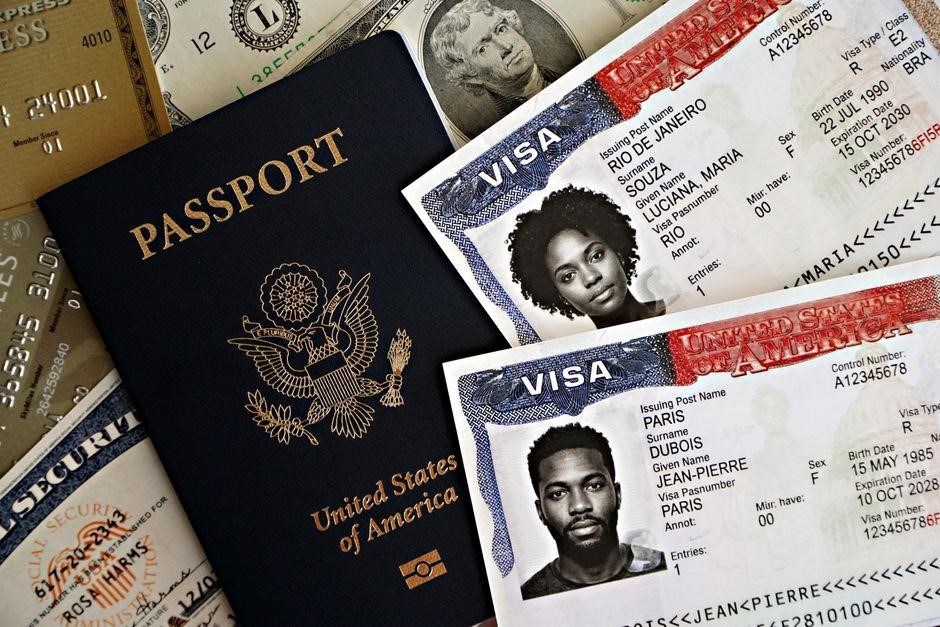
Common triggers include mismatched shipping addresses, inconsistent payment details, sudden changes in billing info, or flagged IP addresses.
Other red flags include high‑value orders, mismatched billing and shipping addresses, or suspicious account activity flagged by fraud detection algorithms
Discrepancies in Shipping Addresses
When a customer’s shipping address does not match the one on file or shows signs of tampering, systems flag the order for manual verification. Common red flags include a sudden change in city or ZIP code, an address that does not exist in the postal database, or a mismatch between the billing and shipping locations. Fraud detection algorithms also look for patterns such as multiple orders from the same IP with different addresses, or addresses that have been used in previous charge‑back incidents. In e‑commerce, a discrepancy can trigger a hold until the seller confirms the address via a phone call, email, or an uploaded photo of the delivery location. Financial institutions use similar checks: if the shipping address differs from the one linked to the credit card, the transaction is reviewed to ensure the cardholder’s identity. The manual review process typically involves a customer service representative contacting the buyer, requesting a confirmation or a proof of address. If the buyer fails to respond within a set window, the order may be canceled or returned to the seller. This step protects merchants from fraud, reduces charge‑back risk, and ensures compliance with shipping regulations. By requiring manual verification, companies can verify that the intended recipient is legitimate and that the package will be delivered to a valid, reachable location, thereby safeguarding both the buyer and the seller from potential losses.
The process often involves a verification code sent to the buyer’s phone, a confirmation email, or an upload of a utility bill. Merchants may also cross‑reference the address with third‑party databases to confirm legitimacy. If the verification fails, the order is either held or canceled, and the buyer is notified of the required steps. This safeguard helps maintain trust and reduces the risk of fraud for both parties.
In addition, some platforms implement a risk scoring system that assigns a probability score to each address based on historical data. High‑risk scores trigger manual checks, while low scores allow automated processing. The manual verification step is critical for high‑value orders, where the potential loss from fraud is significant. By ensuring accurate shipping information, merchants can avoid costly returns, charge‑backs, and reputational damage. Finally, clear communication with the buyer during this process is essential. Prompt responses and transparent explanations reduce frustration and improve the overall shopping experience!!

Inconsistent Payment Information
When a payment method’s details—such as card number, expiration date, or billing address—do not align with the records stored by the payment processor, the transaction is flagged for manual review. Retailers and financial services routinely compare the entered data against the issuer’s database. A mismatch may indicate a typographical error, a stolen card, or a deliberate attempt to bypass fraud controls. In e‑commerce, the system may automatically suspend the order and display a “Manual Verification Required” status until a customer service agent confirms the legitimacy of the card. The agent may request a phone call, a screenshot of the card’s front, or a recent bank statement to verify ownership. If the buyer fails to provide proof within a specified window, the order is either canceled or returned to the merchant for further investigation. Financial institutions use a similar approach: if the billing address differs from the one on file for the card, the transaction is held for manual verification to prevent unauthorized use. In both cases, the goal is to protect the merchant from charge‑back risk and the customer from potential fraud. The manual verification process also helps comply with regulatory requirements such as PCI DSS, which mandates that merchants verify cardholder data before authorizing a transaction. By requiring additional confirmation, companies can reduce the likelihood of fraudulent activity, maintain accurate financial records, and uphold trust with their customers. Clear communication during this step—explaining why the verification is needed and how to provide the required documents—helps minimize customer frustration and keeps the sales cycle moving smoothly. Ultimately, manual verification of payment information is a critical safeguard that balances convenience with security, ensuring that only legitimate transactions reach the final approval stage. In addition, merchants often employ a risk‑scoring algorithm that assigns a probability to each transaction based on historical fraud patterns; high‑risk scores trigger manual checks, while low scores allow automated clearance. This layered approach ensures that every transaction is vetted thoroughly, reducing loss and maintaining compliance across the board. This process safeguards both parties and ensures flow.
Impact of Manual Verification on Order Fulfillment
Manual verification delays delivery as pause for human review. Customers receive status updates and may be asked for proof, extending processing time. Clear communication reduces frustration, now fast resolution keeps fulfillment on schedule.
Effect on Shipping Delays
When a seller flags an order as manual verification required, the fulfillment pipeline pauses until a human reviewer confirms the data. This pause can range from a few hours to several business days, depending on the complexity of the discrepancy and the volume of cases the support team handles. The delay is most noticeable when the issue involves shipping address mismatches, payment method inconsistencies, or identity verification failures. In e‑commerce, the average hold time is about 24–48 hours, but in high‑volume periods or when the verification involves external credit checks, the hold can extend to 5–7 days. During this window, the order is held in a “pending” state in the warehouse management system, preventing the packing and shipping crew from moving the item to the next step. Customers often receive an automated email indicating that additional information is needed, and if they fail to respond within the stipulated timeframe, the order may be canceled or returned to inventory. Retailers mitigate these delays by offering instant verification tools, such as address validation APIs or real‑time payment confirmation services, which reduce the need for manual checks. Shipping partners also adjust their schedules to accommodate potential hold times, ensuring that delivery windows remain realistic. Ultimately, the impact on shipping delays is a trade‑off between risk mitigation and customer experience, with most businesses striving to keep the hold period under 48 hours to maintain satisfaction. By streamlining verification processes, companies can reduce average hold times to 12–24 hours, thereby improving on‑time delivery rates and customer trust. Additionally, some platforms integrate AI‑driven risk scoring to pre‑emptively flag high‑risk orders, allowing pre‑emptive action before the order reaches the manual review stage. In extreme cases, orders may be held for up to two weeks if the required documentation is not supplied, which can severely impact the seller’s inventory turnover and customer retention metrics. Such delays underscore the importance of accurate data entry at checkout.
Customer Communication Practices
When an order is flagged as manual verification required, the first line of defense is clear, timely communication. Most merchants adopt a multi‑channel approach: an automated email is sent immediately, followed by a phone call if the customer does not respond within 24 hours. The email typically contains a concise explanation, a link to a secure portal where the buyer can upload documents, and a deadline for action. If the buyer submits the requested information, the support team verifies it and updates the order status to “approved” or “pending shipment.” In cases where the verification fails, the customer receives a second notification explaining the reason and offering next steps, such as re‑entering payment details or choosing an alternative shipping address. Many platforms also employ live chat widgets on the order‑tracking page, allowing real‑time assistance and reducing the perceived delay. To maintain transparency, the communication should include the estimated time to resolution, the name of the reviewer (if possible), and contact details for escalation. Consistency in tone—professional yet empathetic—helps mitigate frustration. Finally, after the order is cleared, a confirmation email is sent, summarizing the actions taken and providing a tracking number. This closed‑loop process not only keeps the customer informed but also builds trust and reduces the likelihood of cancellations or negative reviews.
- Use concise subject lines.
- Include a clear call to action.
- Provide a direct link to the verification portal.
- Set a firm deadline.
- Offer multiple contact options.
- Follow up with a summary email.
By standardizing these steps, merchants can reduce average resolution time by up to 30 % and improve customer satisfaction scores. All communications should be GDPR compliant!!

Resolving Manual Verification Issues: Step-by-Step Guide
Step 1: Check the email for a verification link. Step 2: Upload required documents via the secure portal. Step 3: Await confirmation. If pending >48 hrs, call support. Once approved, the order moves to shipping. If you encounter errors, contact support@example.com or call 1-800-555-1234 for assistance!!
Contacting Customer Support
When your order status shows “Manual Verification Required,” the first step is to reach out to the company’s customer support team. Most retailers provide several contact options: an email address listed in the order confirmation, a live‑chat widget on the website, or a phone number in the help‑center FAQ. Begin by locating the “Contact Us” link in the footer of the site or within your account dashboard. If you prefer email, copy the support address from the confirmation email and paste it into a new message. In the subject line, include the order number and the phrase “Manual Verification Required.” In the body, briefly explain that you received the status update and request guidance on the next steps. Attach any relevant screenshots or documents that may help the support agent identify your order quickly.

For live‑chat, click the chat icon usually found at the bottom right of the page. Once connected, greet the agent and state your issue. Live‑chat is often the fastest route, as agents can pull up your order details in real time. If you’re calling, dial the number provided in the help center. When you speak with a representative, have your order number, billing address, and any payment confirmation handy. This will allow the agent to verify your identity and access the order record without delay. If the agent needs additional documentation—such as a government‑issued ID or a utility bill—ask for the exact format and upload instructions. Many companies accept PDFs, JPEGs, or PNGs, but always double‑check the file size limit (often 5 MB).
After submitting your request, keep an eye on your email inbox and spam folder for a reply. Some companies have a standard response time of 24–48 hours, but during peak periods it may take longer. If you do not receive a reply within 48 hours, resend the email or try the live‑chat again. If the issue persists, consider escalating the matter by requesting a supervisor or using a dedicated escalation email address if one is provided. Document each interaction with timestamps and the names of the agents you speak with; this information can be useful if the verification process stalls or if you need to reference the case later.
Finally, once the support team confirms that your information has been verified, they will update your order status to “Ready for Shipping” or a similar confirmation. At that point, you should receive a shipping confirmation email with a tracking number. Keep this email for your records, as it serves as proof that the manual verification was completed and the order is on its way. If you encounter any discrepancies in the tracking information or the shipment arrives late, contact support immediately with your tracking number and order details to resolve the issue swiftly.
Providing Required Documentation
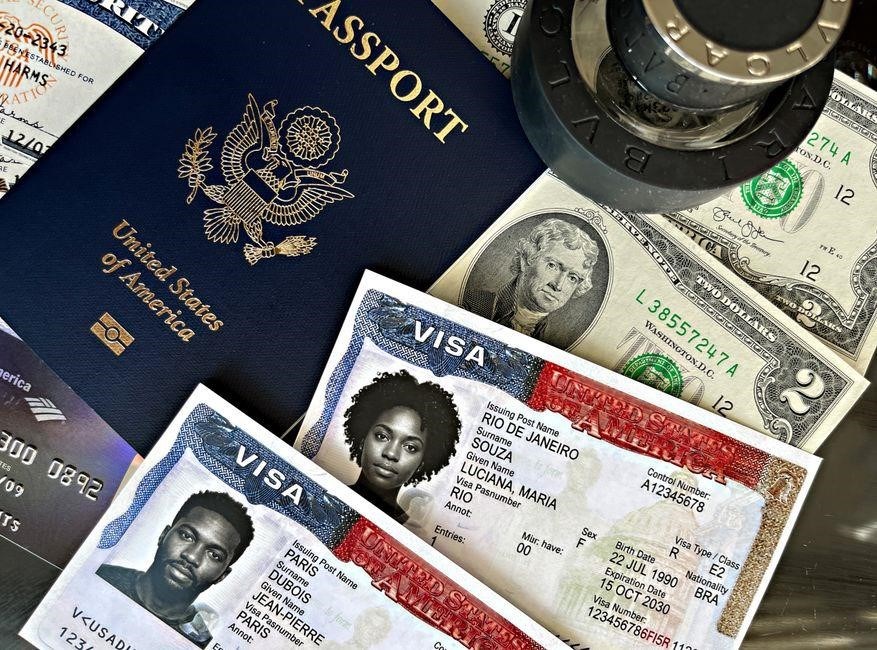
When a merchant flags an order for manual verification, the next step is to submit the specific documents they request. Typically, the company will ask for proof of identity, proof of address, and sometimes a recent payment statement. Start by reviewing the email or support ticket that lists the exact items needed. For identity, a government‑issued photo ID (driver’s license, passport, or national ID card) is usually accepted. Ensure the ID is scanned or photographed in full, with all corners visible and no glare. For address proof, a recent utility bill, bank statement, or lease agreement that shows your name and current address works best. The document should be dated within the last three months and include a clear, legible print of the address. If the merchant accepts electronic copies, upload PDFs or JPEGs no larger than 5 MB. Many platforms provide a secure upload portal; if not, attach the files to an email with the subject line “Manual Verification Documents – Order #123456.” Keep a copy of each file for your records. Once you’ve submitted, confirm receipt by asking the support agent to acknowledge the documents. If additional information is requested, respond promptly and double‑check that the new files meet the stated format and size requirements. Timely compliance helps prevent delays and keeps the order moving toward shipment.
Keep a copy of each file for your records.
Once you’ve submitted, confirm receipt by asking the support agent to acknowledge the documents.
If additional information is requested, respond promptly and double‑check that the new files meet the stated format and size requirements.
Timely compliance helps prevent delays and keeps the order moving toward shipment.
If the verification process takes longer than 48 hours, use the support portal to request an update, citing your order number and the date you submitted the documents!!!
Leave a Reply
You must be logged in to post a comment.