
Protec Helmet Size Guide Overview
Protec’s helmet sizing guide simplifies choosing the right fit. Measure your head, match the size label (S, M, L, XL) to the chart, and consider your sport. The guide ensures safety, comfort, and optimal protection for every rider. Use the chart for all helmet types. Secure fit! Adjust straps!
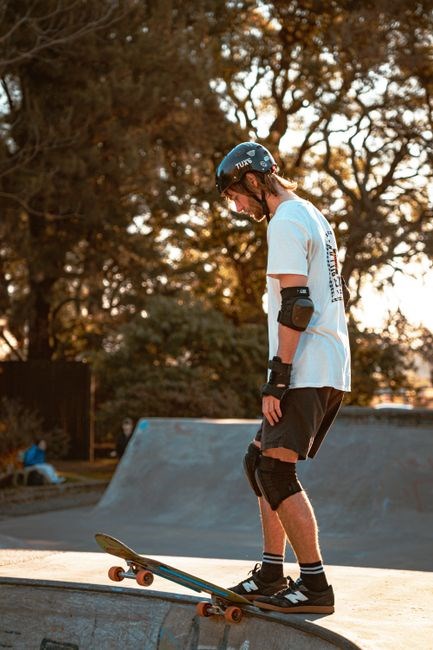
Measuring Your Head Circumference
Use a tape measure. Wrap it around the widest part of your head, just above the eyebrows and ears. Keep the tape snug but not tight. Record the measurement in centimeters or inches. This number determines your Protec helmet size. Measure twice, fit once, and enjoy safe riding. Stay safe.!!!

Tools Needed for Accurate Measurement
To accurately measure your head for a Protec helmet, you’ll need a few essential tools. A flexible, non‑stretch measuring tape—ideally 1‑inch wide—is the cornerstone of a precise measurement. It should sit snugly around the head, just above the eyebrows and ears, without compressing the skull. A standard ruler or a metric tape can double‑check the tape’s length if you prefer a more rigid reference. A small notebook or a digital note app is handy for recording the measurement immediately, preventing memory lapses. A pen or pencil helps mark the tape’s end, ensuring you read the exact number. A mirror or a trusted friend’s help guarantees the tape stays level; the tape’s top edge should align with the highest point of the forehead. A lightweight headband or a strip of tape can hold the measuring tape in place while you read the number, especially if you’re measuring yourself. Finally, a calculator or a conversion chart translates inches to centimeters if you’re working in metric units. With these tools at hand, you’ll obtain a reliable head circumference, the single most important factor in selecting the correct Protec helmet size. Accurate measurement leads to a secure fit, optimal protection, and maximum comfort during every ride. Remember that a well‑fitted helmet not only protects but also enhances performance. By following these steps and using the right tools, you’ll ensure a snug, safe, and comfortable fit for every adventure. Enjoy the ride! Stay safe! and have fun. Stay
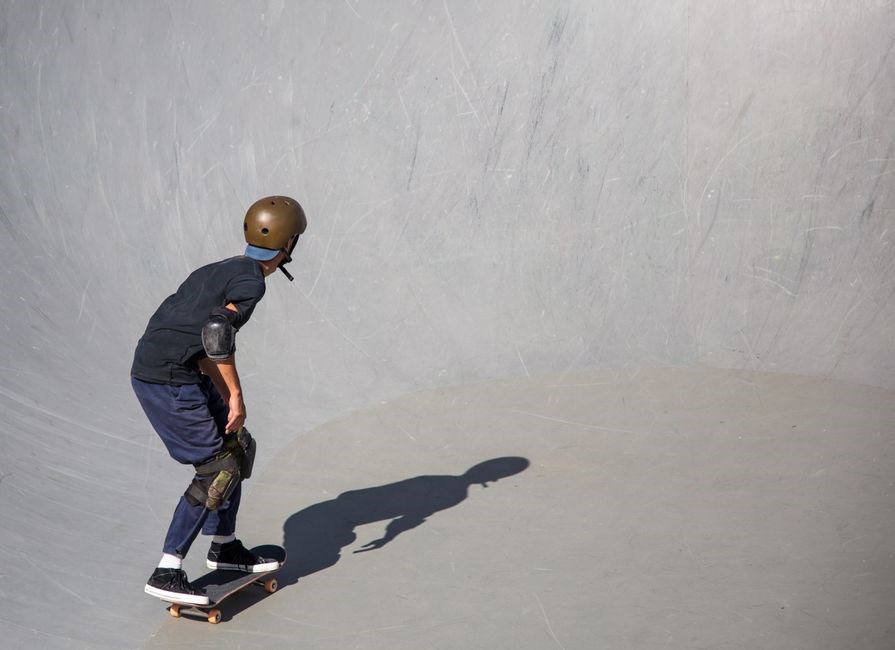
Step-by-Step Measurement Process
Prepare your tools: a flexible 1‑inch measuring tape, a small notebook, and a mirror. 2. Position the tape just above your eyebrows and ears, ensuring it sits level around the widest part of your head. 3. Keep the tape snug but not tight; it should rest comfortably against the skull. 4. Read the measurement where the tape’s end meets the marked point. 5. Record the number in both inches and centimeters if possible. 6. Repeat the measurement twice to confirm consistency. 7. If the two readings differ by more than 0.5 cm, average them or repeat until they match. 8. Cross‑check with Protec’s official chart to find the corresponding size label. 9. Adjust for any additional padding or helmet design that may slightly alter fit. 10. Finally, try on the helmet to ensure the straps sit evenly and the helmet feels secure. Follow these steps for a precise, reliable fit that maximizes safety and comfort during every ride. Remember, a well‑measured helmet is the first line of defense. Keep your measurement handy for future replacements and share it with friends to help them fit their helmets correctly. When you’re ready to purchase, bring your measurement to the store or enter it online to ensure the helmet fits before you leave. A properly sized helmet not only protects your head but also improves balance, reduces fatigue, and gives you confidence on every trail or track. Always double‑check the fit after any changes in weight or head shape. Keep it updated yearly. For best fit always!
Protec’s Official Sizing Chart
Protec’s sizing chart maps head circumference to labels S, M, L, XL. Measure in inches or centimeters, then match the number to the chart’s range. The chart ensures a snug, secure fit for all helmet types. Use the chart before buying; it simplifies size selection and guarantees optimal protection. All day!
Understanding the Size Labels (S, M, L, etc.)
Protec’s size labels—S, M, L, XL, and sometimes 2XL—are shorthand for specific head‑circumference ranges. The label corresponds to the maximum circumference that the helmet can accommodate while still maintaining a snug fit. For example, a size “M” typically covers 22.0–22.5 inches (56–57 cm). A “L” usually fits 22.5–23.0 inches (57–58 cm). The “S” is for 21.5–22.0 inches (55–56 cm), and “XL” covers 23.0–23.5 inches (58–59 cm). Some models offer a 2XL for 23.5–24.0 inches (59–61 cm). Knowing these ranges helps you pick a helmet that won’t be too tight, which can cause discomfort and pressure points, or too loose, which can shift during impact. When you measure your head, round to the nearest half‑inch or half‑centimeter, then select the smallest size that is equal to or larger than your measurement. This approach ensures the helmet sits just right on the skull, providing maximum protection and comfort. Always double‑check the model’s specific chart, as slight variations exist between styles and generations. By understanding the labels, you can confidently choose the right helmet for your head shape and activity level.
Remember, a proper fit is essential for safety and comfort. Follow the chart, measure accurately, and choose the correct size label. If you’re between sizes, choose the larger one to avoid a tight fit that could cause headaches or reduce airflow. The Protec fit system allows fine adjustments, but the base size must be correct. A well‑fitted helmet also improves stability during high‑speed activities. Always test the helmet on your head before purchase, and adjust straps for a secure, snug fit. With the right size label, you’ll enjoy confidence and protection on every ride. Additionally, keep in mind that head shape can vary; some people have a rounder or more elongated skull, which may affect how a size fits. Protec’s adjustable padding helps accommodate slight variations, but the base size remains the most critical factor.
Metric vs. Imperial Measurements
Protec’s sizing system bridges the gap between metric and imperial units, ensuring global users can find their perfect fit. The company’s official chart lists head circumference in centimeters (cm) and inches (in), with each size bracket defined by a range in both systems. For instance, a size “M” covers 56–57 cm or 22.0–22.5 inches. The conversion is straightforward: 1 in = 2.54 cm, so you can translate your measurement from one system to the other with a quick multiplication or division. When measuring, use a flexible tape to get the largest circumference around the widest part of your skull. If you prefer metric, round to the nearest 0.5 cm; if imperial, round to the nearest 0.5 in. Once you have the number, match it to the chart’s ranges. If you fall exactly on a boundary, choose the larger size to avoid a tight fit. The chart also notes that some models have a slightly different upper limit due to design variations, so always double‑check the specific model’s details. By understanding both metric and imperial measurements, you can confidently select a helmet that fits your head regardless of the unit system you’re most comfortable with. This dual‑system approach is especially useful for international travelers or those who have previously measured in a different system. Remember, the key is consistency in measurement technique and rounding method, which guarantees the most accurate size selection. Use the chart’s dual units to cross‑check, and remember to round up for a secure, comfortable fit that protects you in every situation. Stay safe! Go.
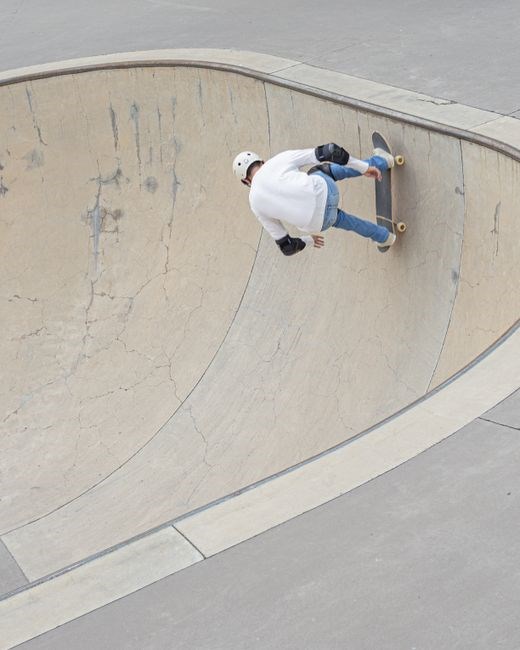
Choosing the Right Size for Your Sport

Protec helmets adapt to each sport’s demands. For cycling, choose a snug fit that allows airflow; for BMX, opt for a slightly larger size to accommodate dynamic movements. Always match your head circumference to the chart, rounding up for safety. Fit tests ensure comfort and safety. Test fit, ride safe. now! Safe.
Cycling Helmets
Protec cycling helmets are engineered for aerodynamic performance, impact protection, and rider comfort. The sizing guide ensures that each cyclist finds a fit that balances snugness with breathability. Begin by measuring your head circumference at the widest point, typically just above the ears and across the forehead. Compare the measurement to Protec’s official chart, which lists sizes S, M, L, XL, and XXL in both centimeters and inches. For most cyclists, a size that matches your measurement within ±1 cm will provide optimal coverage. A slightly smaller size may feel tighter but can improve airflow, while a larger size offers more padding for comfort during long rides.
When selecting a cycling helmet, consider the type of riding: road, mountain, or hybrid. Road helmets often feature a more streamlined shape, so a tighter fit is desirable to reduce drag. Mountain helmets emphasize ventilation and a broader coverage area; a slightly looser fit may be preferable to accommodate helmet straps and additional accessories. Hybrid helmets combine features of both, requiring a balanced fit that does not compromise either aspect.
Protec’s cycling helmets incorporate adjustable chin straps and internal padding systems. After choosing the correct size, adjust the straps so that the helmet sits level on your head, with the chin strap snug but not restrictive. The padding should compress evenly across the skull, ensuring no pressure points. Test the fit by rocking the helmet forward and backward; it should stay in place without sliding. A well‑fitted helmet also allows for easy removal in case of emergency, which is critical for safety.
Finally, remember that helmet fit can change over time due to weight fluctuations or changes in head shape. Re‑measure annually and adjust straps accordingly. A properly fitted Protec cycling helmet not only protects your head but also enhances performance by delivering a stable, comfortable, and aerodynamic platform for every ride.
Skateboarding and BMX Helmets
Protec’s skateboarding and BMX helmets are designed for high‑impact protection, lightweight construction, and a secure fit that stays in place during tricks. Start by measuring your head circumference at the widest point, just above the ears and across the forehead. Match the measurement to Protec’s size chart (S, M, L, XL, XXL). A size that falls within ±1 cm of your measurement will provide a snug yet comfortable fit. For riders who perform frequent jumps, a slightly smaller size can improve stability, while a larger size offers extra padding for longer sessions.
These helmets feature a multi‑layer foam core that absorbs impact energy, and a vented design that promotes airflow. The adjustable chin strap and internal padding system allow you to fine‑tune the fit. After selecting the appropriate size, tighten the strap so the helmet sits level on the head, with the chin strap snug but not overly tight. The padding should compress evenly, avoiding pressure points. Test the fit by rocking the helmet forward and backward; it should stay in place without sliding.
Protec’s skateboarding and BMX helmets also include a quick‑release buckle system for easy removal in emergencies. Because the head shape can change with age or weight, re‑measure annually and adjust straps as needed. A correctly fitted helmet not only protects the skull but also enhances confidence, allowing riders to focus on technique and performance.
When riding on uneven terrain or performing advanced tricks, the helmet’s fit must remain stable. Protec’s design incorporates a reinforced chin bar that distributes impact forces across a wider area, reducing pressure on the jaw. The internal foam layers are engineered to compress in a controlled manner, providing a cushion that adapts to the rider’s head shape. Regularly inspect the padding for wear, and replace it if it becomes compressed or discolored. A well‑maintained helmet ensures consistent protection and confidence on everyride

Adjusting the Fit for Comfort
Use Protec’s adjustable straps and internal padding to fine‑tune fit. Slide the chin strap until the helmet sits level, with no gaps. Tighten the buckle, then compress the padding evenly. Test by rocking head; helmet should stay secure yet breathable. Keep helmet snug for best protection.!
Adjustable Straps and Padding
Protec helmets feature a sophisticated strap system designed to deliver a precise fit for riders of all sizes. The adjustable chin strap, equipped with a quick‑release buckle, allows you to fine‑tune tension in seconds. Slide the strap until the helmet sits level across the forehead, ensuring no gaps between the chin and the strap. The strap’s elastic core provides a snug, yet comfortable, seal that adapts to the natural shape of your face. Beneath the outer shell, a removable padding panel offers additional cushioning. This padding can be swapped for a thinner or thicker layer depending on your preference and the level of impact protection you desire. When inserting the padding, align the seam with the helmet’s internal frame to maintain structural integrity. The padding’s breathable mesh promotes airflow, reducing sweat buildup during intense rides. For maximum comfort, adjust the strap so that the helmet’s weight is evenly distributed across the back of the head. Test the fit by gently rocking your head; the helmet should remain stable without excessive movement. If you notice any pressure points, reposition the padding or readjust the strap tension. Regularly inspect the strap’s elastic for signs of wear, and replace it if it loses elasticity. A well‑adjusted strap and properly positioned padding not only enhance comfort but also improve the helmet’s overall protective performance by ensuring optimal contact with the skull. By mastering these adjustments, riders can enjoy confidence and safety on every ride. Remember to tighten the strap just enough so that the helmet feels secure but not restrictive, and always double‑check the fit before each session. Additionally, consider using a moisture‑wicking liner to keep the interior dry, especially during hot weather or long sessions. If you ride in extreme temperatures, replace the standard padding with a temperature‑responsive gel layer that expands in heat and contracts in cold, providing consistent comfort across seasons. Finally, keep a small cleaning kit handy; a clean, dry helmet will maintain its shape and strap elasticity, ensuring the fit stays true over time. Enjoy your ride! Stay safe! Protec supports you.
Using the Protec Fit System
The Protec Fit System is engineered to give riders a customizable, secure fit without compromising on safety. Begin by placing the helmet on your head and adjusting the front chin strap until the helmet sits level across the forehead; Next, tighten the rear strap; the quick‑release buckle allows you to fine‑tune tension in a single motion. The system’s dual‑layer design—soft inner padding and a rigid outer shell—ensures that the helmet conforms to the skull while maintaining structural integrity. To activate the fit system, slide the adjustable ring along the strap’s elastic band until the desired snugness is achieved. The ring locks in place, preventing accidental loosening during vigorous activity. If you prefer a tighter fit, move the ring closer to the chin; for a looser feel, shift it toward the back of the head. The Protec Fit System also features a built‑in pressure‑distribution pad that sits beneath the chin strap. This pad reduces pressure points and enhances airflow, keeping the interior cool. After setting the straps, test the fit by gently rocking your head; the helmet should stay in place with minimal movement. Finally, secure the quick‑release latch and double‑check that all straps are evenly tensioned. Regularly inspect the elastic for wear and replace it if it loses elasticity. By mastering the Protec Fit System, riders can enjoy a personalized, comfortable, and safe riding experience every time. The system’s design also incorporates a quick‑release mechanism that allows for rapid helmet removal in case of emergency. Riders can adjust the strap tension in seconds, making it ideal for multi‑sport use. The Protec Fit System is compatible with all Protec helmet models, ensuring a consistent experience across the brand. By following these steps, you can achieve a fit that feels like a second skin while still meeting safety standards. Remember to re‑check the fit after any significant weight change or if you notice any discomfort. A well‑adjusted helmet not only protects but also boosts confidence on the trail or track. Embrace the Protec Fit System for a reliable, ergonomic fit that adapts to your unique head shape. With the Protec Fit System, riders can trust that their helmet stays secure, allowing them to focus on performance rather than fit concerns.
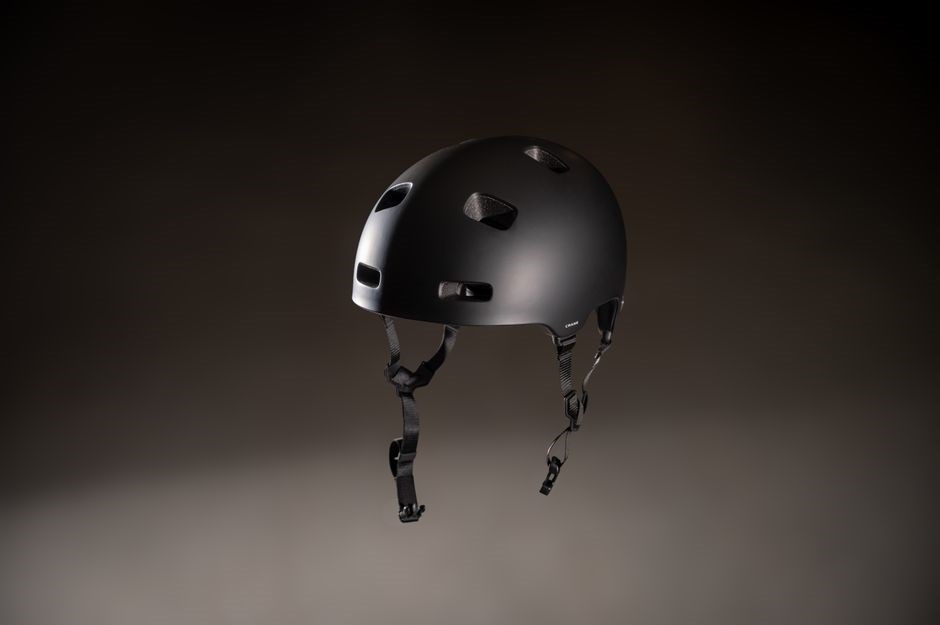
Common Sizing Mistakes and How to Avoid Them
Choosing the wrong helmet size is a common pitfall that can compromise safety and comfort. Riders often assume a single size fits all, ignoring that head shapes vary. A frequent mistake is measuring the head incorrectly—placing the tape too high or too low, which skews the circumference. Another error is neglecting hair or headwear; a thick hairstyle can add millimeters to the measurement. Some riders also overlook the importance of a snug but not overly tight fit; a helmet that is too loose can shift during impact, while an overly tight helmet may cause pressure points and heat buildup. Many riders skip the final step of adjusting the fit system after initial sizing, leading to a suboptimal fit over time. To avoid these pitfalls, always measure your head with a flexible tape at the widest point, ensuring the tape sits level and does not compress the skull. Use a clean, flat surface and repeat the measurement twice for accuracy. When selecting a size, consult Protec’s official chart and choose the smallest size that accommodates your measurement, then use the adjustable straps to fine‑tune the fit. Don’t forget to test the helmet by rocking your head; it should stay in place with minimal movement. Finally, re‑measure your head regularly, especially after significant weight changes, and adjust the helmet accordingly. By following these steps, you can ensure a secure, protective fit that meets Protec’s safety standards. Checking and proper sizing are the keys to a riding experience nowtoday.

Protec Helmet Size FAQ
Q1: How do I measure my head?
Use a flexible tape measure at the widest part of your head, just above the ears and slightly above the eyebrows. Keep the tape level and snug, but not tight, to capture an accurate circumference.
Q2: What if my measurement falls between sizes?
Choose the larger size if your measurement falls between two sizes. After selecting the larger helmet, use the adjustable straps and padding to achieve a snug, secure fit that does not shift during movement.
Q3: Does hair affect sizing?
Hair can add several millimeters to your head circumference. Measure with your hair in its normal, everyday style—whether it’s loose, tied back, or styled—so the helmet will fit comfortably without excess space.
Q4: How often should I re‑measure?
Re‑measure your head at least once a year, or whenever you experience significant changes in weight or head size. Regular checks ensure the helmet continues to protect you with the correct fit.
Q5: Can I use a helmet from another brand?
Protec’s sizing chart is calibrated for its own helmet models. Using a helmet from another brand may lead to an improper fit, compromising safety and comfort. Stick to Protec’s chart for best results.
Q6: What if the helmet feels too tight?
If the helmet feels too tight, first verify that the straps are positioned correctly and that the padding is not compressed. Adjust the fit system or consider a slightly larger size for optimal comfort.
For any additional concerns or personalized fitting advice, Protec’s support team is ready to assist. They can walk you through the measurement process, discuss your head shape, and recommend the most suitable helmet model for your sport. A properly fitted helmet not only meets safety standards but also enhances performance by providing stability, ventilation, and confidence. Remember to check for any signs of wear, replace worn padding, and adjust straps regularly. By staying proactive with your helmet maintenance and fit, you ensure maximum protection and comfort every time you hit the trail, track, or pavement. Stay safe, stay confident, and enjoy every ride with the confidence that your Protec helmet fits just right. Enjoy safe adventures now
Final Tips for a Secure and Comfortable Fit
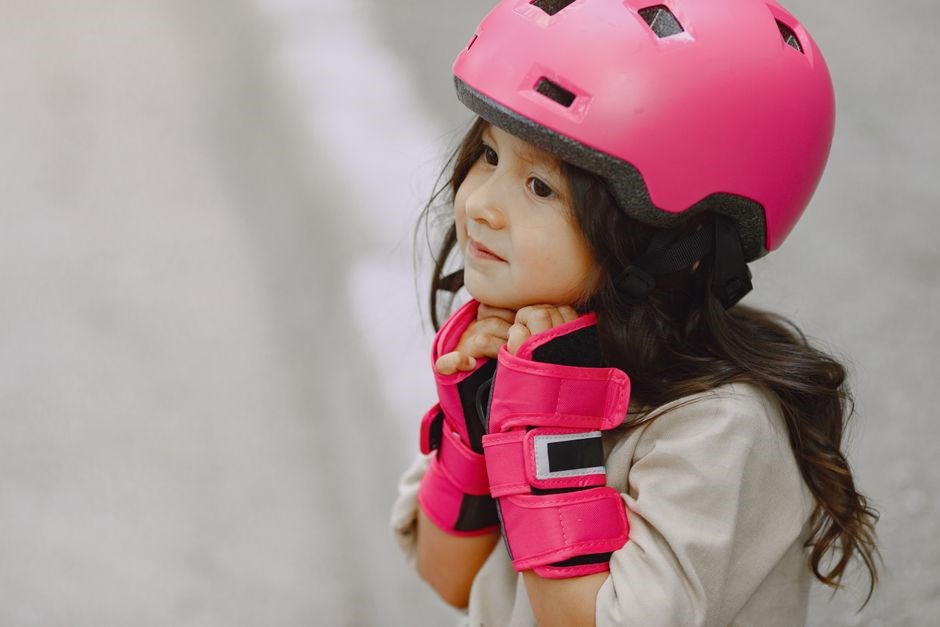
Start by ensuring the helmet sits level on your head, with the chin strap snug but not overly tight. The strap should be positioned just below the ears, allowing a small gap for airflow while maintaining stability. Check the internal padding; it should be evenly distributed and free of gaps. If the padding feels compressed, replace it with a fresh layer to maintain cushioning and breathability. Adjust the helmet’s fit system by tightening or loosening the adjustable straps until the helmet feels secure yet comfortable. A well‑fitted helmet should not shift during movement; test it by turning your head side‑to‑side and nodding. Inspect the helmet for any signs of wear, such as cracks, dents, or worn straps, and replace it if necessary. Keep the helmet clean by wiping it with a damp cloth and mild soap; avoid harsh chemicals that could degrade the shell. Store the helmet in a cool, dry place, away from direct sunlight, to prevent material degradation. Finally, remember that a helmet’s safety is only as good as its fit—regularly re‑measure your head and adjust the helmet accordingly to ensure optimal protection and comfort for every ride. Remember, a properly fitted helmet not only protects you but also enhances confidence, allowing you to focus on technique, terrain, and joy ride. When you’re ready to hit the trail, check helmet’s alignment, tighten the chin strap to a snug but comfortable fit, perform a quick wiggle test to confirm stability. Go now and ride! Stay on
Leave a Reply
You must be logged in to post a comment.